
EN
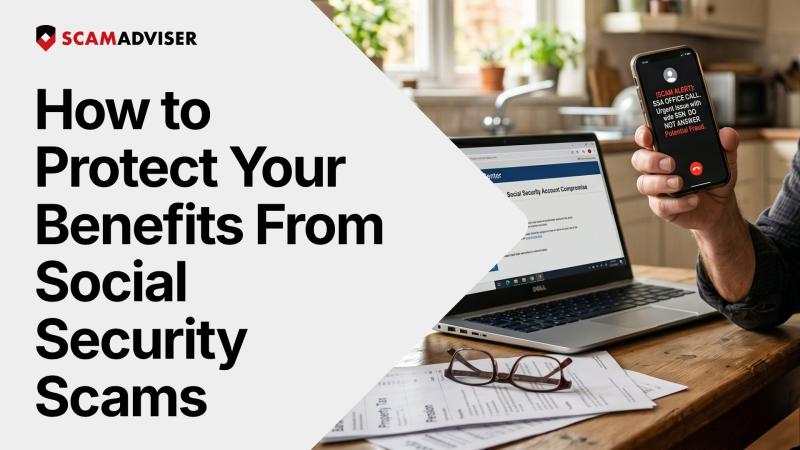
Social Security is a lifeline for millions of retirees, which is exactly why criminals target it. The Federal Trade Commission (FTC) recorded a 25% spike in impersonation scams in 2025, topping 330,000 reported cases. If you want to spot a social security scam 2026 data points directly to a massive increase in fake emails, texts, and phone calls.
This social security scam warning retirees need to read breaks down exactly how to recognize fake contact. Scammers do not need to hack into your bank account if they can simply trick you into handing over the keys. This guide explains what the real agency does, what scammers do, and how to keep your benefits safe.
In a Nutshell
Scammers rely on six main tactics to steal your money or personal information. The SSA Office of the Inspector General (OIG) issued a formal warning in 2026 about a sharp rise in government impostor emails falsely offering access to benefit statements. These scams arrive via phone, text, email, social media, and direct message, sometimes using the real names and photos of SSA employees to look credible.
The genuine agency will never force you to act immediately or pay to resolve an issue. If any of the following happen, you are dealing with a scammer. The real SSA will never:
The SSA typically mails a physical letter if there is a problem with your record or number. They only call people who have recently applied for benefits, are already receiving payments and need a record update, or who specifically requested a call.
SSA employees never demand immediate action. They give you time to verify the contact and consult your family. When they do send official digital communications, those messages always come from an address ending in ssa.gov or oig.ssa.gov — never personal or commercial email addresses.
You take control by ending the conversation and reaching out to the agency directly. Hang up the phone or stop responding to the suspected scammer immediately.
Find the SSA's real number independently at ssa.gov, or use their main line: 1-800-772-1213. Call back using that verified number to ask if anyone actually tried to contact you.
Check your My Social Security account at ssa.gov to see your actual benefit status. If you feel unsure or overwhelmed, ask a trusted family member to help you make the call.
Stop all communication with the scammer immediately and secure your accounts. If you shared financial information, contact your bank or card provider right away to block any unauthorized transactions.
If you gave the scammer your SSN, place a fraud alert with Equifax, Experian, or TransUnion to stop criminals from opening new credit in your name. You should also monitor your Social Security account at ssa.gov for any unauthorized changes to your direct deposit details.
Report the incident to the SSA OIG at oig.ssa.gov or call 1-800-269-0271. You should also file a secondary report with the FTC at ReportFraud.ftc.gov.
Set up your official accounts before a scammer tries to do it for you. Create a personal My Social Security account at ssa.gov so you can check your real status anytime.
Turn on multi-factor authentication — a security feature that requires a second code sent to your phone — on your ssa.gov account. Be suspicious of any unsolicited contact about your benefits, even if the caller ID looks official.
Share this guide with elderly family members. Many victims are isolated and targeted repeatedly, so monitoring bank and Social Security statements monthly is the best way to catch fraud early.
The SSA will never call you demanding immediate payment or threatening legal action. Hanging up the phone on an aggressive caller is never the wrong move, because if a problem is real, the agency will send you a letter in the mail.
If you encounter a social security scam 2026 or beyond, report the threat directly to the SSA OIG at oig.ssa.gov to help them track the criminals down.
They do not have the power to arrest you or suspend your number — they only have the power to scare you into handing over your money.
Frequently Asked Questions
Is this call from Social Security real?
If the caller demands immediate payment, asks for gift cards, or threatens arrest, the call is completely fake.
What happens if I click a link in an SSA impersonation scam email?
The link will take you to a fake website designed to steal your passwords and personal information.
Can my Social Security Number actually be suspended?
No, the government does not suspend Social Security Numbers under any circumstances.
How do I report a fake Social Security call?
Report the exact details of the call, including the number that appeared on your screen, to the SSA Office of the Inspector General at oig.ssa.gov.
Adam Collins is a cybersecurity researcher at ScamAdviser who operates under a pseudonym for privacy and security. With over four years on the digital frontlines, he specialises in translating complex threats into actionable advice. His mission: exposing red flags so you can navigate the web with confidence.
