
EN
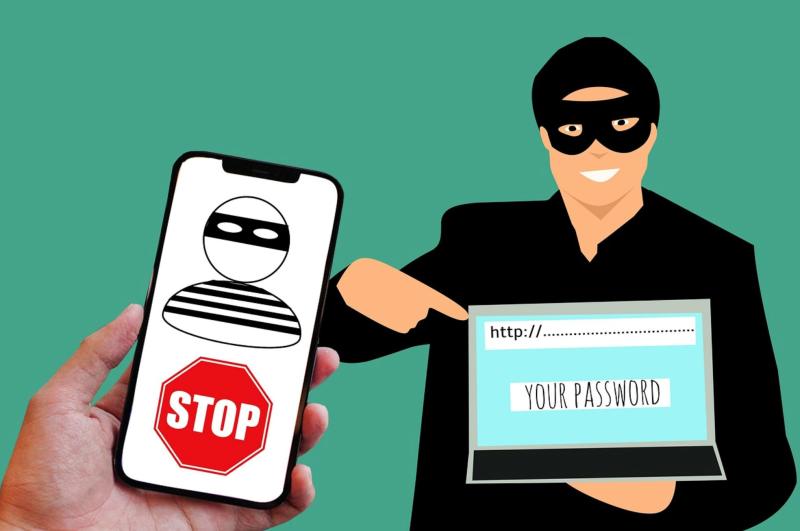
A growing number of mobile users have recently reported receiving alarming SMS messages claiming that their account has been restricted or placed on hold by “NCB Alert”. These messages often look official and urgent, but they are not legitimate. Instead, they are part of a widespread smishing scam designed to trick people into clicking fake links and revealing sensitive personal or financial information. Understanding how this scam works is important to avoid falling victim to it.
The so called “NCB Alert” scam is a fake SMS impersonation attack where scammers pretend to be from a government authority or financial institution. The message usually claims that:
In reality, NCB does not send such messages to random individuals about bank accounts or personal holds via SMS links. The purpose of the message is to trick you into clicking a malicious link. This type of scam is commonly known as smishing (SMS phishing).
The scam follows a psychological pattern designed to create panic:
Fear Based Message:
The victim receives a message claiming their account is frozen, blocked, or under investigation.
Urgency Pressure:
The message often includes phrases like:
This urgency is intentional so that users do not think carefully.
Fake Link or Contact Number:
The SMS includes a link that looks official but leads to a fake website. Some versions may also provide a phone number controlled by scammers.
Data Theft or Money Loss:
Once the victim clicks the link or enters details, scammers may steal:
In some cases, malware is installed on the device.
This scam is effective because it uses authority and fear. Many people panic when they see words like NCB, hold, or legal action. Scammers exploit this reaction to make victims act quickly without verification.
Impersonation scams like this are among the most common forms of mobile phishing fraud, and they often result in financial loss, identity theft, or compromised accounts.
Examples of the Scam Message:
A typical message may look like this:
"NCB Alert: Your account has been placed on hold due to suspicious activity. Verify your identity immediately at [fake-link] or your account will be suspended permanently."
Another version may say:
"Legal Notice: NCB has flagged unusual activity. Click below to avoid legal action."
These messages are not genuine and are sent in bulk to random phone numbers.
Here are the most common warning signs:
Legitimate institutions do not ask users to verify sensitive data through SMS links.
If you receive an “NCB account on hold” SMS:
Don’t:
Dos:
If you have already interacted with the message:
To protect yourself from future scams:
Remember that scammers rely on fear, not facts.
The "NCB Alert: Your account has been placed on hold" SMS is a fraudulent smishing message that falsely uses the name of a government authority to appear legitimate. Its main purpose is to create fear and urgency so that users click on malicious links or share personal information without thinking. This message is not sent by any official agency and should be considered completely fake and unsafe.
Image Source: Pixabay.
Disclaimer: This article has been written by a Scam Fighter Contributor, De-Reviews.com Team. If you believe the article above contains inaccuracies or needs to include relevant information, please contact ScamAdviser.com using this form.
