
EN
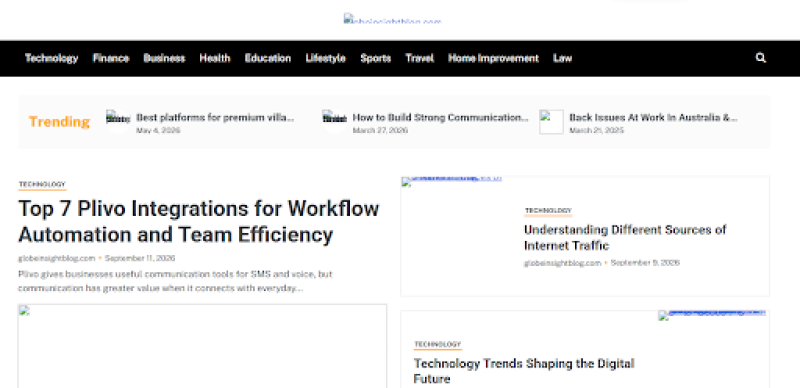
Globeinsightblog.com covers general interest topics and looks like a normal content site at first glance. Before you take its articles at face value or click through any of its links, here's what a closer check turns up.
Run the domain through ScamAdviser and it comes back rated "Very likely safe." The domain has been registered for three years and is set up for renewal years in advance, which is a habit real, ongoing businesses tend to follow. Scammers rarely commit to a domain that far ahead, since most scam sites don't last past a few months. The site also carries a valid SSL certificate. On the other side, ScamAdviser notes a low traffic rank, meaning the site doesn't get much visitor volume yet, which fits a smaller or newer blog rather than pointing to anything malicious on its own.
The blog lists web.blogginghub@gmail.com as its contact email. A free Gmail address instead of an email tied to the blog's own domain is common among small or hobby blogs, but it's also an easy thing for anyone to set up with no verification attached. It doesn't confirm a scam, but it does mean there's no real way to check who is actually behind the content.


Globeinsightblog.com covers general interest topics and looks like a normal content site at first glance. Before you take its articles at face value or click through any of its links, here's what a closer check turns up.
Run the domain through ScamAdviser and it comes back rated "Very likely safe." The domain has been registered for three years and is set up for renewal years in advance, which is a habit real, ongoing businesses tend to follow. Scammers rarely commit to a domain that far ahead, since most scam sites don't last past a few months. The site also carries a valid SSL certificate. On the other side, ScamAdviser notes a low traffic rank, meaning the site doesn't get much visitor volume yet, which fits a smaller or newer blog rather than pointing to anything malicious on its own.
The blog lists web.blogginghub@gmail.com as its contact email. A free Gmail address instead of an email tied to the blog's own domain is common among small or hobby blogs, but it's also an easy thing for anyone to set up with no verification attached. It doesn't confirm a scam, but it does mean there's no real way to check who is actually behind the content.
The blog's social accounts are live, but most were created recently and show minimal likes, comments, or shares. A young blog with a small audience isn't unusual on its own. Combined with a generic gmail contact, it does mean there's little public history to check the people behind the site against.
Nothing here points to an outright scam. The long-term domain registration and valid SSL are genuine positive signs. That said, the anonymous gmail contact and thin social media presence mean you're reading content from a source you can't fully verify yet. Treat articles here the way you'd treat any blog you don't recognize: read for information, but don't act on financial or health advice without checking it against sources you already trust. If you want a general checklist for spotting problem sites, ScamAdviser's guide on how to recognize a scam covers the same signals in more depth.
This article has been written by a scam fighter volunteer. If you believe the article above contains inaccuracies or needs to include relevant information, please contact ScamAdviser.com using this form.
Adam Collins is a cybersecurity researcher at ScamAdviser who operates under a pseudonym for privacy and security. With over four years on the digital frontlines, he specialises in translating complex threats into actionable advice. His mission: exposing red flags so you can navigate the web with confidence.
