
EN
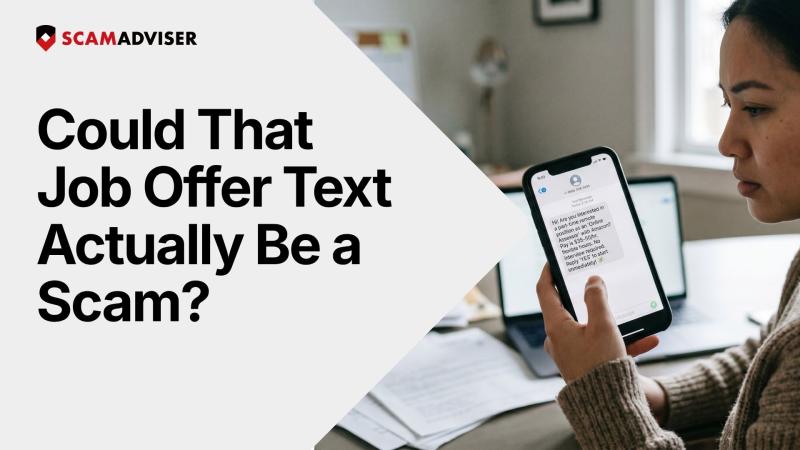
That 'Dream Job' text you just received isn't a career breakthrough—it's a high-tech blueprint to drain your bank account.
While you're looking for your next paycheck, scammers are looking for your life savings, and they’ve traded typos for AI to make the fraud look flawless.
In a Nutshell
The Federal Trade Commission (FTC) issued an official FTC job text warning in April and May 2026 because fake job texts are stealing money from job hunters at an alarming rate. Following over 1.17 million US layoffs in 2025, scammers are exploiting a massive pool of stressed workers looking for their next paycheck. You get a message on your phone offering a remote position with great pay, and it looks entirely professional. They drop recognizable corporate names and leave out the obvious shady links, making this job scam 2026 incredibly hard to dismiss.
These texts funnel victims into three distinct traps: identity theft, fake check fraud, and task-based financial drains. The initial message is just the bait to get you talking. Once you reply, the fake recruiter pushes you down the path that best matches your vulnerability.
A fake recruiter text message is an unsolicited pitch from someone pretending to represent a major brand like Amazon, Apple, Netflix, or a logistics firm. They offer vague remote roles like "online assessor" or "quality control manager" with attractive pay but zero actual job details. Instead of including a malicious link, the scammer asks you to reply "YES" or "INTERESTED" to bypass mobile spam filters. This work from home job scam establishes a fake sense of engagement, weaponizing a job seeker's hope against them. See how the verify if a job email is legitimate.
The task scam job fraud tricks you into performing meaningless work for small initial payouts before forcing you to pay your own money to continue. You start by completing simple tasks like "product reviews" or "app ratings" and actually receive a few small commission payments. The trap snaps shut when the platform requires you to deposit your own funds to unlock the next tier of higher-paying tasks. The FTC reports individual losses in these schemes frequently exceed $50,000 before victims realize their money is gone forever.
The fake check job scam involves a "company" sending you a check for home office supplies, asking you to deposit it and wire the extra funds to their approved vendor. Banks are legally required to make deposited funds available quickly, so the money shows up in your account within a day. Days or weeks later, the check bounces. The bank reverses the deposit, and you are left legally responsible for the cash you wired out.
A text can lead directly to identity theft if it directs you to a fake application page designed to harvest your personal data. Scammers frame requests for your Social Security number, bank routing details, and driver's license as routine onboarding paperwork. A legitimate employer never requests this highly sensitive information before conducting a formal interview.
You can spot a fake job offer text scam by looking for specific pressure tactics and unprofessional communication methods. Look for these unsolicited job text red flags to protect yourself from an employment scam how to spot checklist:
You verify a real job by contacting the company directly through their official channels. Do not click any links or use any phone numbers provided in the text message.
If you already interacted with the scammers, you must lock down your finances and report the fraud immediately. Speed is your only advantage once your data or money is exposed.
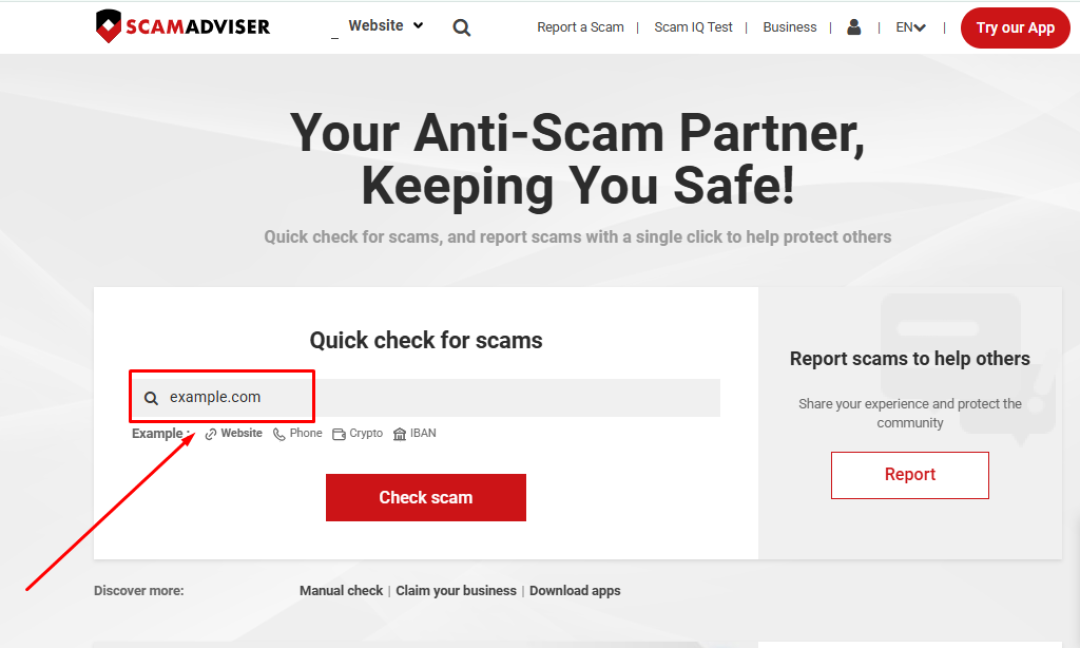
ScamAdviser job scam tools let you verify any suspicious employer URL before you enter your personal information. Scammers frequently follow up their texts by directing victims to fake employer portals, payment pages, or onboarding sites. You can run that web address through ScamAdviser to check its domain age and trust score, acting as a filter between a convincing website and your bank account.
The job market stress of 2026 provides scammers with a massive, highly motivated target list. Fake job texts are stealing money because they bypass your skepticism with recognizable brands and the promise of easy remote work.
The moment any "employer" asks you for money or financial data, the job offer too good to be true reveals its true intent. Real companies pay you for your time, not the other way around. Real employers interview you before they ask for your Social Security number.
If the money conversation comes before the interview, the job is a fraud.
Frequently Asked Questions
Can I get my money back after wiring it for a fake job check?
Wire transfers are almost impossible to reverse, but you should contact your bank immediately to attempt a recall.
Why do scammers ask to move the job interview to WhatsApp?
WhatsApp provides end-to-end encryption, hiding the scammer's location and identity from law enforcement.
Do real companies ever ask you to pay for your own background check?
Legitimate employers cover the cost of all required background checks and onboarding procedures.
What happens if I reply "YES" to a fake recruiter text?
Replying verifies that your phone number is active, which guarantees you will receive more scam messages in the future.
Adam Collins is a cybersecurity researcher at ScamAdviser who operates under a pseudonym for privacy and security. With over four years on the digital frontlines, he specialises in translating complex threats into actionable advice. His mission: exposing red flags so you can navigate the web with confidence.
