
EN
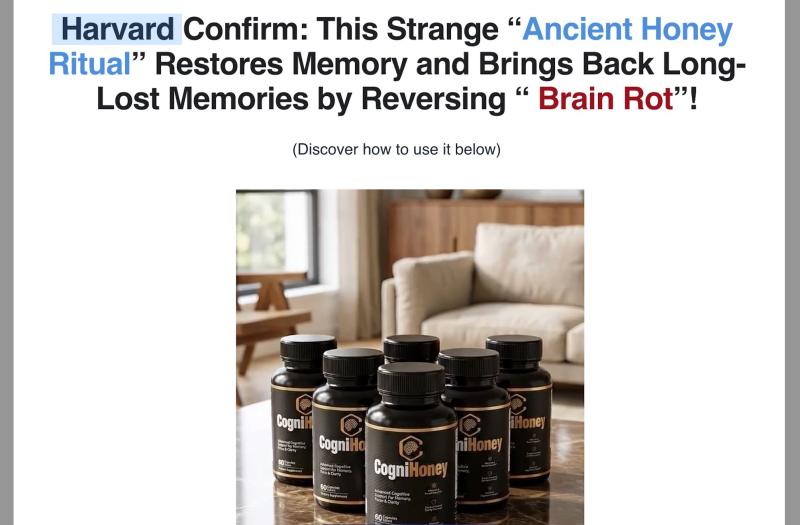
CogniHoney memory support supplement is advertised through videos and online sales pages using the idea of an "Ancient Honey Ritual" for improving memory. However, several warning signs around the marketing of Cogni Honey supplement deserve careful attention. Reports and consumer alerts suggest that similar brain honey products are often promoted using misleading advertisements, artificial intelligence (AI)-generated endorsements, exaggerated health promises, and questionable sales methods.
Before purchasing any supplement that claims to support serious conditions like memory loss or cognitive decline, consumers should carefully review the evidence, ingredients, and buying process.
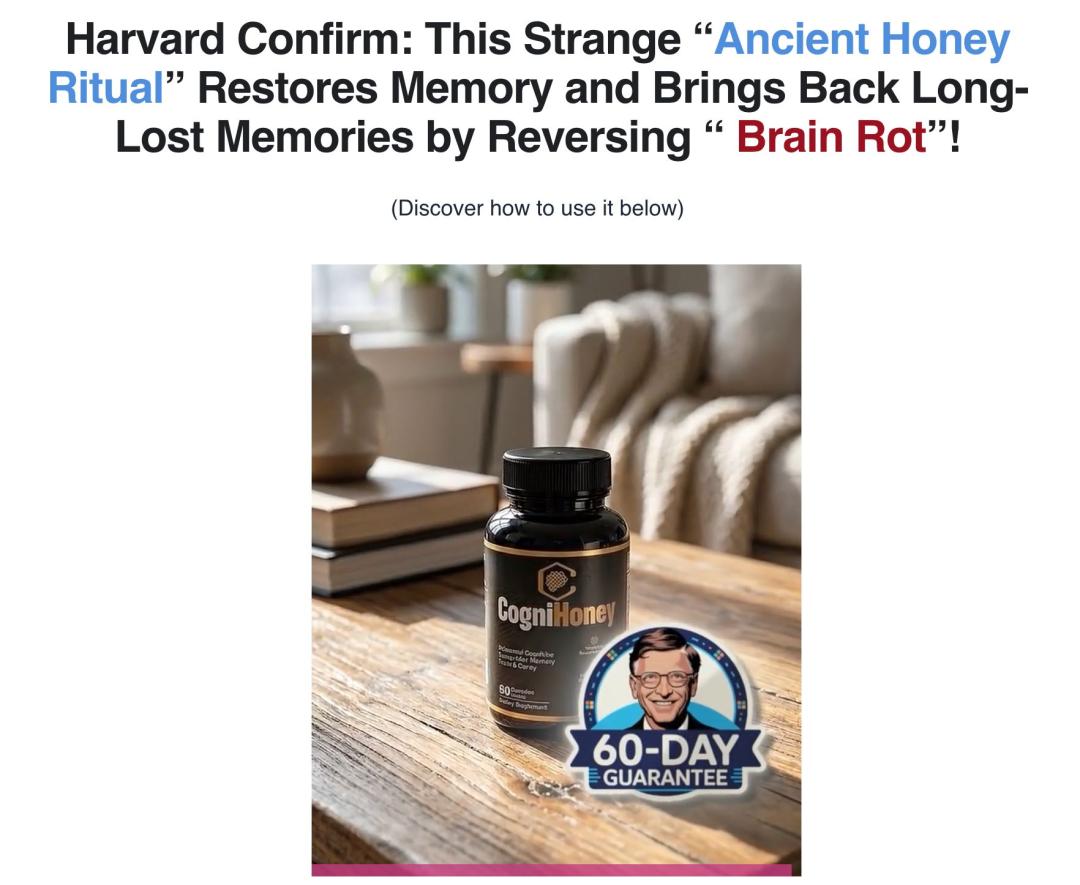
One of the biggest concerns surrounding Cogni Honey is the way it is promoted online. Some promotional videos connected with these types of products use AI-generated content that appears to show famous personalities, doctors, or media figures recommending the product.
According to consumer warnings from organizations, some online health product campaigns use fake AI-generated videos, cloned voices, and manipulated visuals to make viewers believe that trusted experts or public figures support a product when they do not.
These tactics are especially concerning because they target people who may already be worried about memory problems, dementia, or Alzheimer’s disease.
The promotional story behind CogniHoney often focuses on a hidden "Ancient Honey Ritual" that supposedly helps fight brain decline. This type of emotional storytelling can create strong interest, but consumers should carefully separate marketing claims from scientifically proven facts.
The promotional videos connected with Cogni Honey have reportedly featured well known personalities, including Bill Gates and Meryl Streep. There is no verified evidence that these individuals are connected with or officially endorse this supplement.
AI technology now allows scammers and misleading marketers to create realistic looking videos that imitate real people. These videos may include:
Consumers should always verify endorsements directly through official sources before trusting any health product advertisement.


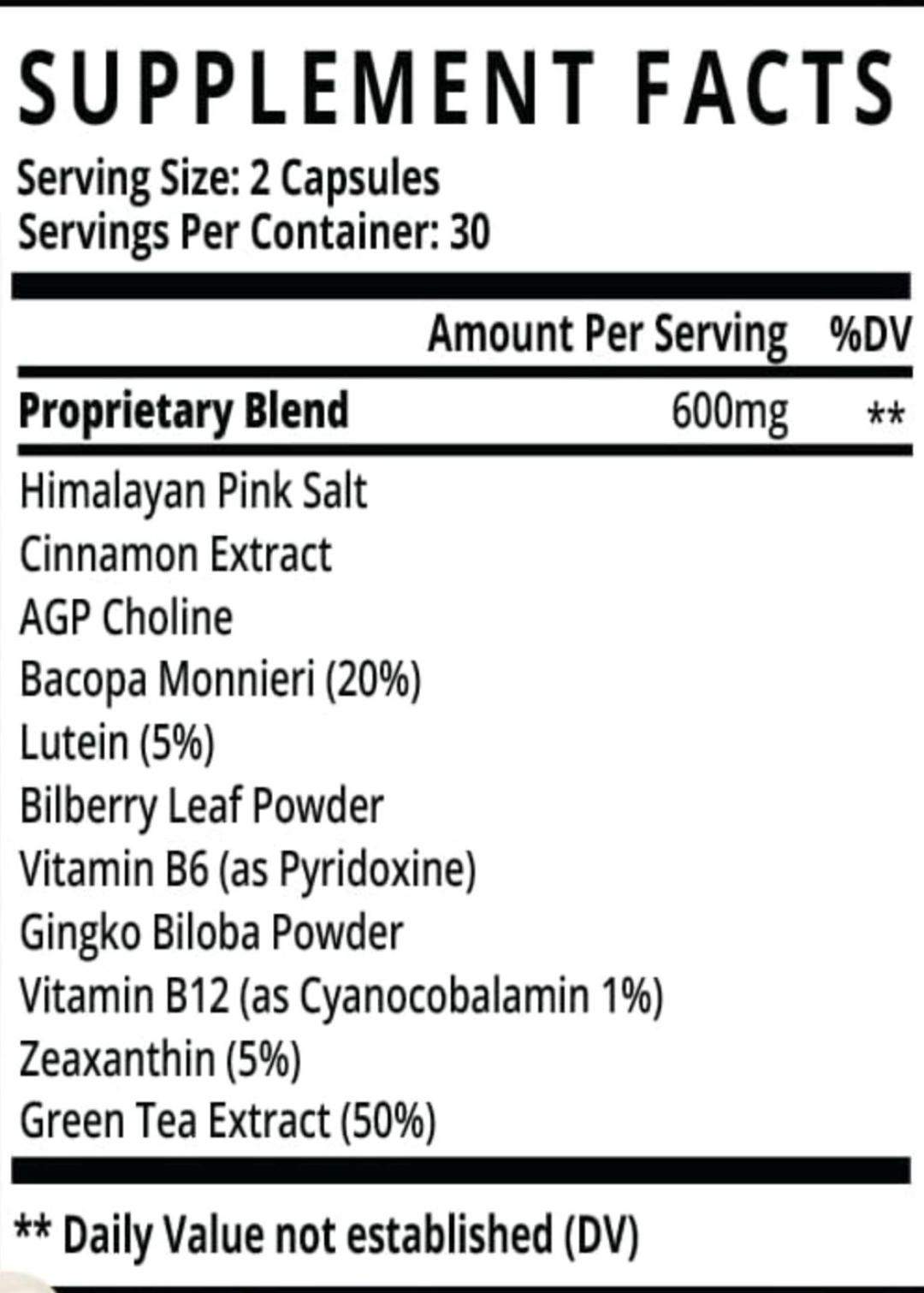
One important point about CogniHoney is the difference between the product name and the actual supplement ingredients. Although the marketing focuses heavily on honey and an ancient honey ritual, the available Supplement Facts information shows that honey is not listed as an active ingredient in the capsules.
Instead, the formula appears to contain a mixture of vitamins, minerals, and herbal ingredients as per publicly available information. This difference between the marketing message and the actual product label is something consumers should carefully consider before buying.
The most important concern on the CogniHoney supplement label is the 600mg Proprietary Blend. Under FDA supplement labeling rules, companies must list the ingredients included in a blend by weight, but they do not have to reveal the exact amount of each individual ingredient inside that blend.
This means consumers can only see that the total proprietary blend weighs 600mg, but they cannot determine the exact amount of each individual ingredient included in the formula, such as Bacopa Monnieri, Alpha-GPC, Ginkgo Biloba, Himalayan Pink Salt, Cinnamon Extract, Bilberry Leaf Powder, Lutein, Zeaxanthin, and Vitamins B6 & B12, based on the publicly available product label.
Since this 600mg amount is divided among 11 different ingredients, the individual quantities may be much lower than the amounts used in some clinical studies. This makes it difficult for consumers to determine whether the formula provides meaningful levels of the ingredients promoted for brain health.
As per the publicly available information, clinical research on ingredients such as Bacopa Monnieri commonly uses specific standardized amounts. Information from National Institutes of Health PMC and ingredient research resources such as Examine.com discusses studied dosage ranges for Bacopa extracts.
When multiple ingredients share one small blend, the amount of each individual ingredient may not reach the levels used in scientific studies.
Himalayan Pink Salt:
Himalayan Pink Salt is mainly sodium chloride with small amounts of trace minerals. While it is commonly marketed as a natural ingredient, there is no strong scientific evidence showing that it can restore memory or reverse cognitive decline.
Cinnamon Extract and Bilberry Leaf Powder:
Cinnamon extract and bilberry leaf powder contain antioxidants. However, antioxidant properties alone do not mean that these ingredients can treat dementia, Alzheimer’s disease, or serious cognitive conditions.
Alpha-GPC (AGP Choline) and Bacopa Monnieri:
Alpha-GPC and Bacopa Monnieri are recognized ingredients commonly used in some brain health supplements. According to information from organizations such as the Alzheimer's Drug Discovery Foundation, ingredients like Bacopa and choline related compounds have been researched for possible support related to memory and cognitive function.
However, the concern with Cogni Honey is not necessarily the presence of these ingredients. The issue is whether the product contains enough of them to provide meaningful benefits, especially when they are included inside a large proprietary blend.
Lutein and Zeaxanthin:
As per publicly available information, Lutein and Zeaxanthin are carotenoids commonly associated with eye health, especially support for the macular pigment. They are not established treatments for reversing cognitive decline.
Ginkgo Biloba:
Ginkgo Biloba is a popular herbal ingredient often promoted for circulation and brain support. However, research has not shown that it can prevent or reverse dementia.
Vitamin B6 and Vitamin B12:
Vitamin B6 and Vitamin B12 play important roles in normal nerve function. However, supplementation mainly helps memory related problems when someone has a confirmed deficiency. Taking extra vitamins does not automatically mean it will improve memory in healthy individuals.
Another important concern is the way products like CogniHoney are marketed. Dietary supplements are not approved by health agencies as treatments for diseases such as:
According to the Alzheimer’s Association and the Better Business Bureau (BBB), there is no reliable scientific evidence supporting claims made by “brain honey” formulas. No over-the-counter supplement has been clinically proven to reverse cognitive conditions such as Alzheimer’s disease. Health and consumer protection organizations advise people to be cautious when evaluating products that make extraordinary medical claims. Consumers can also explore expert insights and discussions about cognitive health products from authentic sources.
Apart from product claims, consumers should also pay attention to the purchasing process. Similar online supplement sales funnels have been linked to complaints involving:
Hidden Subscription Charges:
Some buyers report that they thought they were making a one time purchase but later discovered recurring charges on their payment cards. These automatic renewal programs may result in unexpected monthly payments.
Difficult Refund Processes:
Another reported concern with some online supplement companies is poor customer support. Customers may struggle to:
Before purchasing Cogni Honey, consumers should carefully read the terms, refund policy, and billing details.
The available information about CogniHoney memory support supplement raises several concerns that consumers should consider before purchasing.
The biggest issues are not simply the ingredients themselves, but the way the product appears to be marketed. Claims involving ancient honey ritual, dramatic brain improvement promises, and possible AI-generated and celebrities endorsements create reasons for caution.
The product label also raises questions because the formula uses a 600mg proprietary blend containing multiple ingredients, making it difficult to determine whether important ingredients are included at research-supported amounts.
While some individual ingredients in Cogni Honey memory support supplement have been studied for general wellness support, there is no reliable evidence that this type of supplement can reverse memory loss, dementia, or Alzheimer’s disease.
Consumers should always verify health claims, avoid products promoted through unrealistic promises, and carefully check subscription terms before providing payment information. When it comes to brain health, proven medical advice and healthy lifestyle choices remain more reliable than products making extraordinary claims online.
Verification Notice: Please double-check the physical product label of any supplement you purchase to confirm the active ingredients, exact dosages, and allergen warnings match your expectations before consumption.
Medical Disclaimer: This information is for general educational purposes only, does not constitute a promotion or endorsement of any product, and does not constitute medical advice, diagnosis, or treatment. Always consult a qualified healthcare professional or physician before starting any new dietary supplement or weight loss regimen.
Author Information:
This article has been written by a Scam Fighter Contributor, De-Reviews.com Team. If you believe the article above contains inaccuracies or needs to include relevant information, please contact ScamAdviser.com using this form.
De-Reviews.com Team is a group of scam researchers, editors, and online safety advocates dedicated to exposing online fraud and helping consumers stay safe online. The team has been investigating scams, fraudulent websites, phishing campaigns, and other online threats since 2014. Read the Full Author Profile.
