
EN
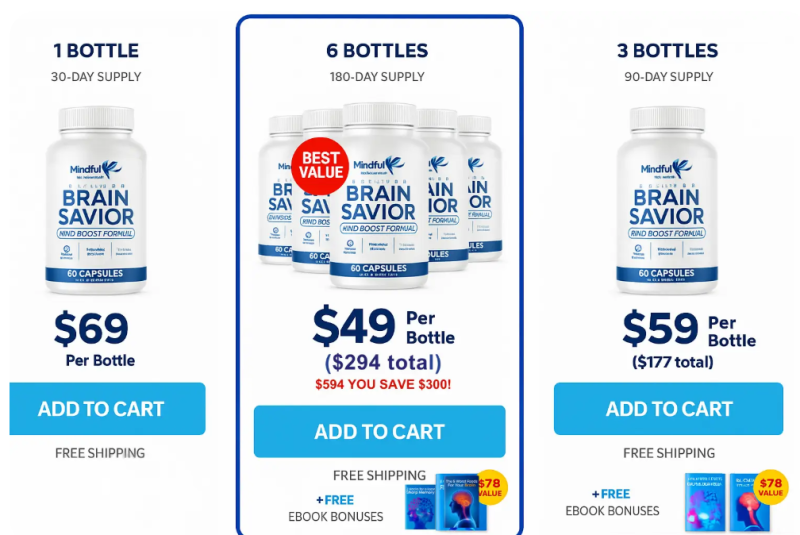
Brain Savior is sold from at least six near-identical websites using the same script, the same testimonials, and the same refund pitch. The supplement's individual ingredients have research behind them, but the finished product itself hasn't been tested. That combination is a strong sign of a dropshipping setup rather than an established supplement brand.
Brain Savior is marketed as a plant-based brain supplement from a company called Mindful Wellness, promising sharper focus, better memory, and less brain fog. Before buying into the pitch, we looked at how the product is actually sold online, and who's really behind it.
In a Nutshell
A search for Brain Savior turns up the same supplement sold through a surprising number of slightly different web addresses. The design, the layout, the customer story about forgetting where the car keys are, and the 180-day money-back promise repeat almost word for word across each one.
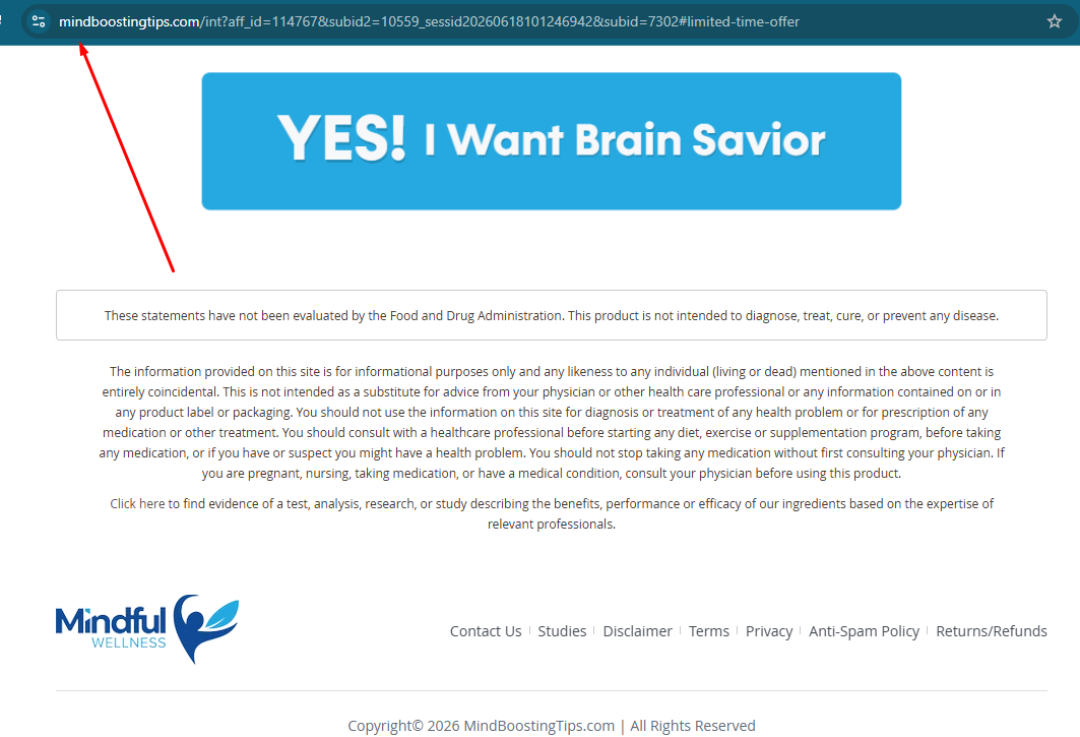
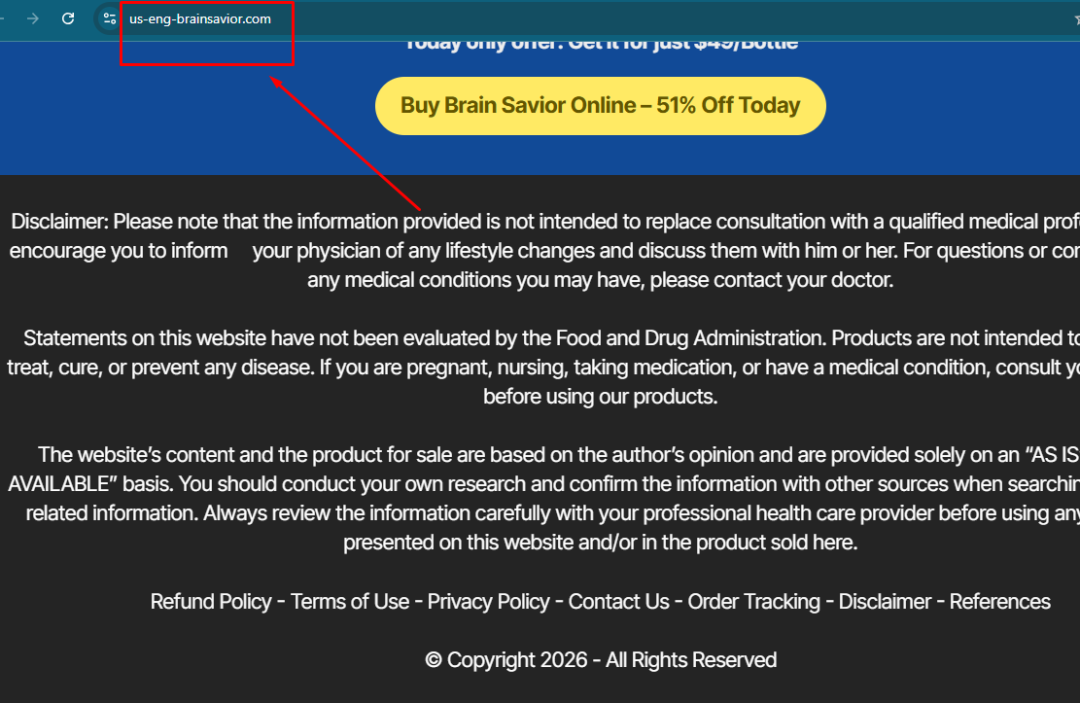
Legitimate brands generally sell from one or two official domains they control closely. Spreading the exact same product across six or more nearly identical sites usually means a seller is running several separate ad campaigns for the same item, often to keep selling even if one domain gets flagged or shut down. It also makes it harder for any single site to build a real, traceable reputation, since traffic and reviews get split across all of them.
Several ingredients in Brain Savior's formula, including citicoline, bacopa monnieri, and phosphatidylserine, have been studied in published research on their own. That's worth noting. But research on an individual ingredient isn't the same as research on the finished product sold in this particular bottle, at this particular dose, combined with everything else in the formula.
None of the Brain Savior websites we reviewed pointed to a clinical study of the actual product. Under U.S. supplement rules, that's allowed. Companies can describe how an ingredient generally works without proving their specific blend produces the results described on the page.
Brain Savior's own pages feature detailed customer stories about regaining mental clarity and confidence. Those same kinds of stories are harder to find on independent platforms not run by the seller. When the bulk of glowing feedback for a product lives only inside pages the seller built and controls, there's no outside check on whether it's accurate, or even genuine.
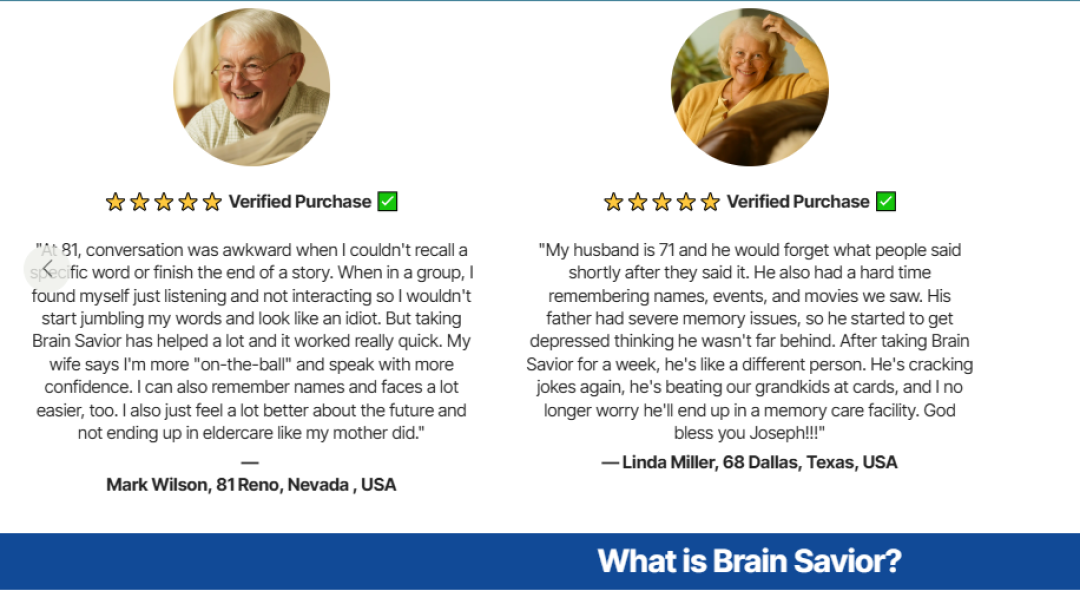
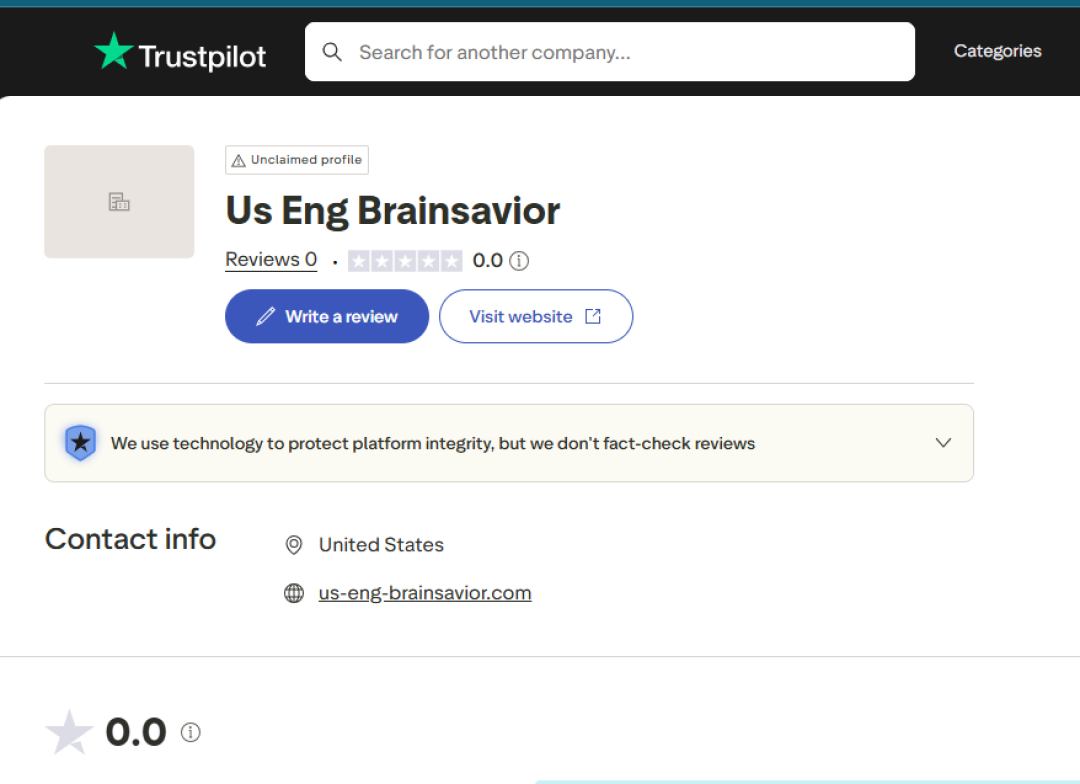
Before trusting testimonials on any supplement's own site, it's worth searching for the brand name alongside words like "complaint" or "refund" on a search engine, and checking independent review sites directly rather than taking the seller's word for it.
Because Brain Savior is sold from several different domains, the safest approach is to check whichever specific site you've landed on before entering any payment information, rather than assuming it's safe just because another version of the page looked fine.
You can run the exact web address in front of you through ScamAdviser's free site checker in a few seconds. It's also worth remembering that dietary supplements, including Brain Savior, are not approved or reviewed by the FDA before they're sold. The FDA's own Q&A on dietary supplements explains what that does and doesn't mean for the products on the shelf.
FAQs
Is Brain Savior sold on more than one website?
Yes. We found it listed on at least six different domains, all using nearly identical design, photos, and customer quotes.
Has Brain Savior been clinically tested?
Some individual ingredients have published research behind them. The finished Brain Savior product itself hasn't been independently studied.
Why does Brain Savior have so few reviews outside its own site?
Most of the detailed customer praise for Brain Savior appears on pages the company controls. Independent platforms show far less activity for the brand.
Is Brain Savior FDA approved?
No. Like all dietary supplements, Brain Savior is not reviewed or approved by the FDA before it reaches buyers.
We have covered several supplement reviews in the past like:
Bought Brain Savior or come across one of its lookalike sites? Report it here so other shoppers know what to look out for.
This article has been written by a scam fighter volunteer. If you believe the article above contains inaccuracies or needs to include relevant information, please contact ScamAdviser.com using this form.
Adam Collins is a cybersecurity researcher at ScamAdviser who operates under a pseudonym for privacy and security. With over four years on the digital frontlines, he specialises in translating complex threats into actionable advice. His mission: exposing red flags so you can navigate the web with confidence.
